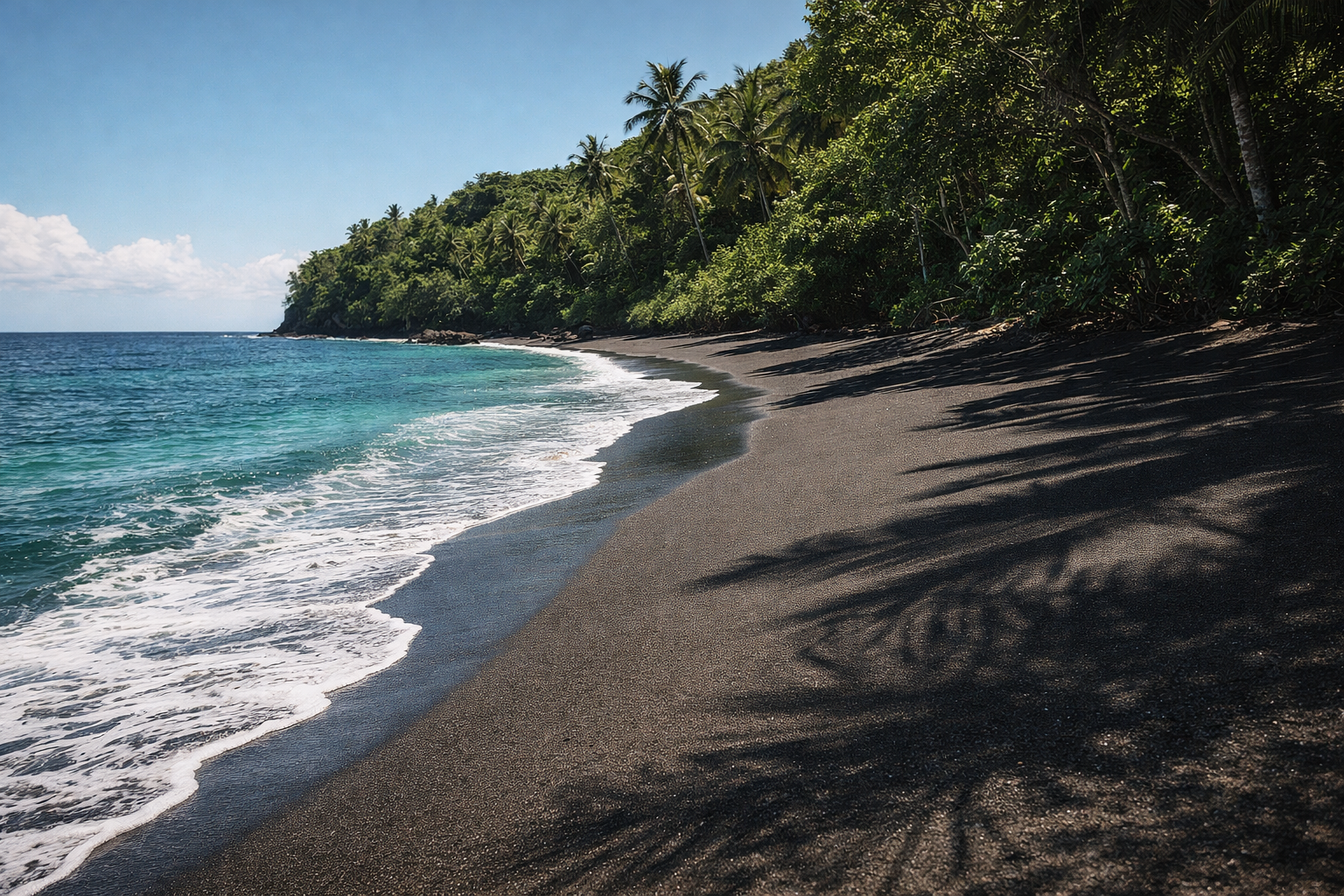

Indonesia is not so much a country as an archipelago of possibilities. With over seventeen thousand islands stretching across five thousand kilometres, it offers a diversity that few other destinations can match. But this same vastness makes planning an island-hopping trip genuinely challenging. The key is accepting that you cannot see everything and focusing on a route that makes geographical and logistical sense.
Start with a Region, Not a Country
The most common mistake is trying to cover too much ground. Indonesia is enormous, and flying from Sumatra to Papua takes as long as flying from London to New York. Instead of thinking about Indonesia as one destination, break it into regions. The most popular circuit for first-time visitors covers Bali, the Gili Islands, and Lombok. More adventurous travellers might focus on Flores and Komodo, or the Raja Ampat islands in West Papua.
Each region has its own character, infrastructure level, and pace. Bali and Java are the most developed, with reliable transport and abundant accommodation. Eastern Indonesia is wilder and less predictable, which is both its challenge and its appeal.
Understanding Transport Options
Domestic flights are the backbone of Indonesian island hopping. Lion Air, Garuda, and Citilink connect major islands affordably, though schedules can be unreliable. Always book with flexibility in mind and avoid tight connections. A cancelled or delayed flight is a matter of when, not if.
Ferries connect many islands and offer a more immersive experience. The fast boat from Bali to the Gili Islands takes about ninety minutes and runs multiple times daily. Slower ferries between larger islands can take days but cost very little and provide extraordinary views. The Pelni shipping network connects remote islands that have no airport, offering basic but functional passenger service.
The Classic Bali to Flores Route
This is arguably the best island-hopping route in Indonesia for travellers who want variety without extreme logistics. Start in Bali, take a fast boat to Lombok, explore the Gili Islands, then fly from Lombok to Labuan Bajo in Flores. From Labuan Bajo, take a boat trip to Komodo National Park to see the famous dragons, then explore the rest of Flores overland.
The route works because each stop offers something different. Bali has culture and nightlife. Lombok has unspoiled beaches and Mount Rinjani. The Gili Islands offer snorkelling and a car-free environment. Komodo delivers genuine adventure, and Flores has traditional villages, volcanic lakes, and some of the most spectacular scenery in the archipelago.
Timing and Seasons
Indonesia's dry season runs from April to October, and this is generally the best time for island hopping. Seas are calmer, flights are more reliable, and outdoor activities are more enjoyable. The wet season from November to March brings rough seas that can cancel ferry services and make boat trips uncomfortable or dangerous.
Shoulder months like April and October offer the best balance of good weather and fewer tourists. Peak season in July and August brings higher prices and crowded boats, particularly on the popular Bali to Gili route.
Packing for Multiple Islands
Travel light. You will be transferring between boats, planes, and vehicles frequently, and heavy luggage becomes a genuine burden. A single backpack that fits as carry-on luggage is ideal. Pack reef-safe sunscreen, a good water bottle, and motion sickness tablets for rough crossings. Waterproof bags for electronics are essential on boat transfers where spray and splashing are common.
Budget Considerations
Island hopping in Indonesia is affordable but transport costs add up. Budget roughly twenty to forty dollars per island transfer, whether by boat or flight. Accommodation on remote islands tends to be basic but cheap, while tourist hubs like the Gili Islands charge premium prices. The overall cost of a two-week island-hopping trip, including all transport, accommodation, and food, can range from five hundred to fifteen hundred dollars depending on your comfort level and pace.