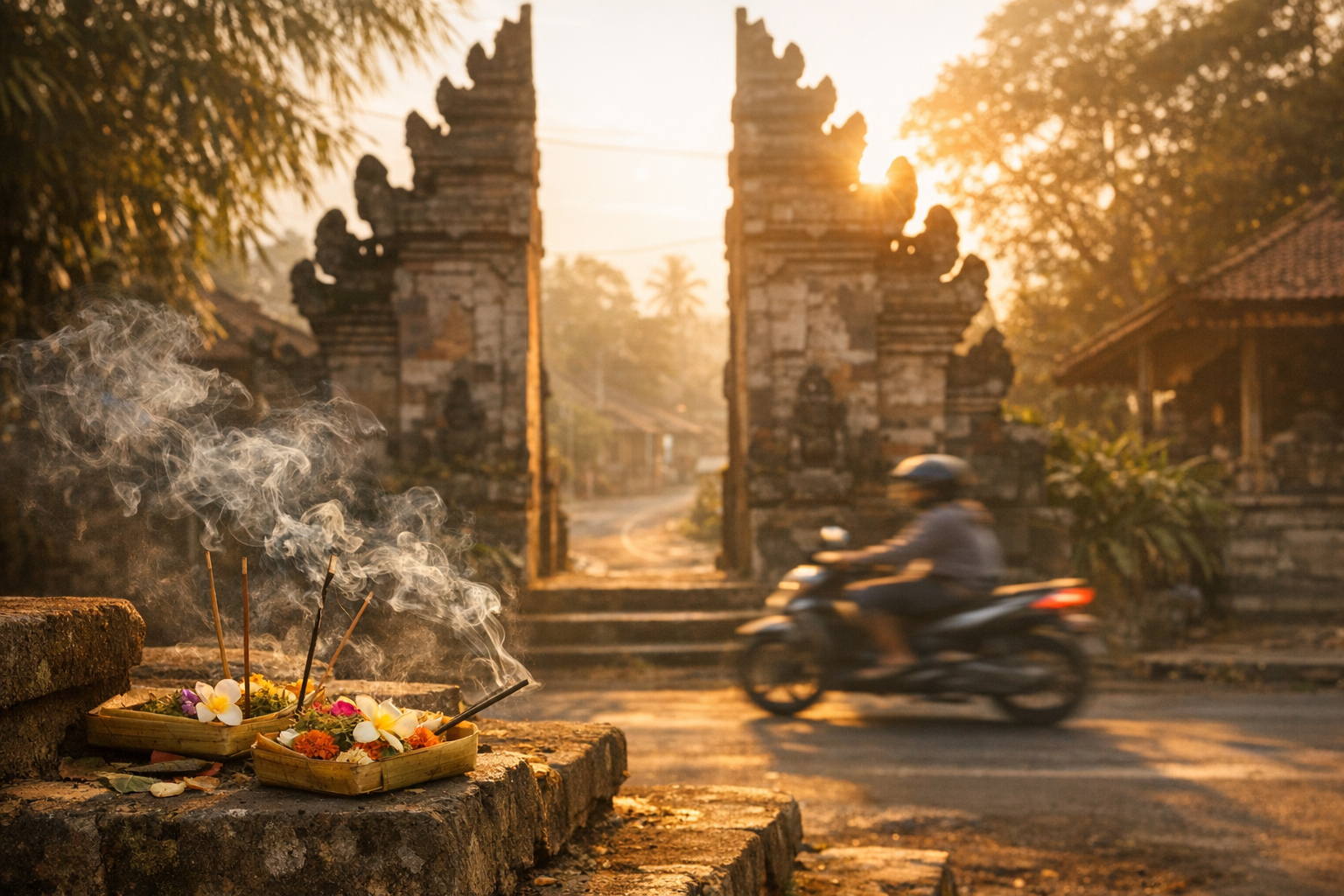

Thirty years ago, Southeast Asia was considered an adventurous choice for travellers. Today it consistently ranks among the most visited regions on the planet. The transformation has been extraordinary, driven by a combination of infrastructure investment, cultural appeal, and sheer value for money that few other regions can match.
The Backpacker Trail That Started It All
The story begins with the backpackers of the 1970s and 1980s who forged overland routes through Thailand, Indonesia, and Malaysia. These early travellers shared stories of pristine beaches, welcoming locals, and costs so low they seemed unreal. Word spread through hostels and travel journals, and gradually the trickle became a stream.
Thailand was the gateway for most. Bangkok became a transit hub, Chiang Mai offered culture and trekking, and the southern islands delivered paradise at a fraction of Caribbean prices. As visitor numbers grew, infrastructure followed. Budget airlines emerged, road networks improved, and accommodation options expanded from basic guesthouses to world-class resorts.
Infrastructure and Accessibility
The arrival of low-cost carriers like AirAsia fundamentally changed the economics of travel in the region. Flights between major cities dropped to prices that would barely cover a taxi ride in Europe. Suddenly, island hopping across Indonesia or visiting three countries in two weeks became financially accessible to almost anyone.
According to National Geographic's travel coverage, the hospitality sector across Southeast Asia has seen consistent double-digit growth in development over the past decade. New airports, improved ports, and better road connections have made previously remote destinations reachable within hours rather than days.
Cultural Richness as a Drawcard
Beyond the beaches and the budget-friendly prices, Southeast Asia offers a cultural depth that keeps travellers coming back. The temples of Angkor Wat, the rice terraces of Bali, the street food of Penang, and the floating markets of Bangkok are experiences that cannot be replicated elsewhere. Each country has its own distinct identity, yet they share a warmth and hospitality that travellers consistently highlight.
Food tourism in particular has become a major driver. Vietnamese pho, Thai curries, Indonesian rendang, and Malaysian laksa have all gained global recognition, and eating your way through the region has become a legitimate travel strategy.
Value That Is Hard to Beat
Even as the region has developed, it remains remarkably affordable. A comfortable private room in Bali can cost less than a hostel bed in London. A street food meal in Bangkok rarely exceeds a few dollars. This value proposition attracts everyone from gap-year students to retirees, creating a diverse and vibrant travel community.
The digital nomad movement has added another layer. Cities like Chiang Mai, Ho Chi Minh City, and Canggu have become hubs for remote workers drawn by fast internet, low costs, and excellent quality of life. This has brought sustained, year-round tourism that supports local economies beyond the traditional holiday seasons.
What the Future Holds
Southeast Asia shows no signs of slowing down. New destinations like Myanmar and Laos are opening up, while established favourites continue to evolve. Sustainable tourism initiatives are gaining traction, and there is a growing awareness of the need to balance development with preservation. The region that once attracted adventurers now welcomes the world, and it has done so without losing the character that made it special in the first place.