
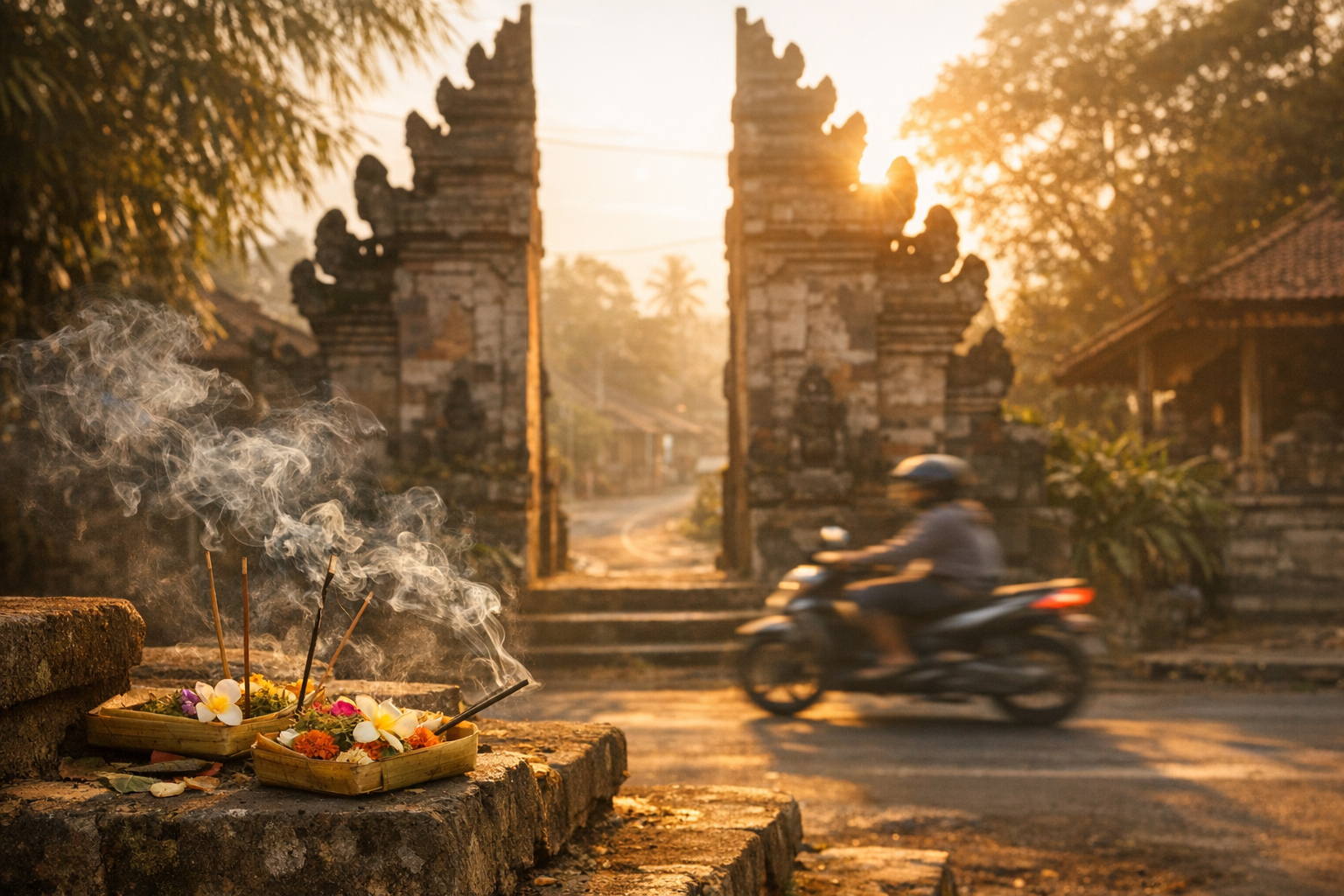
Bali has a way of exceeding expectations and confounding them at the same time. First-time visitors often arrive with visions of serene rice paddies and empty beaches, only to discover an island that is simultaneously spiritual and chaotic, peaceful and noisy, traditional and thoroughly modern. Knowing what to expect makes all the difference.
Choosing Where to Base Yourself
Bali is not one destination but many, and where you stay will define your experience. Seminyak and Kuta offer nightlife and shopping but can feel overwhelming. Ubud is the cultural heart, surrounded by rice terraces and yoga studios. Canggu has become the go-to for digital nomads and surfers. Uluwatu delivers dramatic cliffs and world-class surf breaks.
For a first visit, consider splitting your time between two areas. A few days in Ubud for the culture followed by time on the coast gives you a well-rounded introduction without the exhaustion of constant moving.
Getting Around the Island
Traffic in Bali is legendary, and not in a good way. Short distances on the map can take surprisingly long, especially around Denpasar and the southern tourist areas. A scooter is the most common way to get around, but be honest about your riding ability. Bali roads are unpredictable, and accidents involving tourists are common.
Hiring a private driver for day trips is surprisingly affordable and removes the stress entirely. Many drivers double as informal guides and can take you to places you would never find on your own. Grab, the regional ride-hailing app, works well in most areas but may face resistance from local taxi cooperatives in certain zones.
Temple Etiquette and Cultural Respect
Bali is deeply Hindu, and temples are not tourist attractions but active places of worship. Dress respectfully when visiting, which means covering your shoulders and knees. Most temples provide sarongs for rent or loan, but carrying your own shows consideration. Do not climb on sacred structures, and always ask before photographing ceremonies.
You will notice daily offerings called canang sari placed on the ground throughout the island. These small woven baskets filled with flowers and incense are religious offerings. Step over them rather than on them, and never move or disturb them.
Money and Practical Matters
The Indonesian rupiah involves large numbers that can be confusing at first. One Australian dollar is roughly ten thousand rupiah, and one US dollar about fifteen thousand. ATMs are widely available, but always choose to be charged in rupiah rather than your home currency to avoid poor exchange rates.
Haggling is expected in markets and with taxi drivers but not in restaurants or shops with fixed prices. A good rule is to start at about half the asking price and work from there. Keep it friendly and remember that the difference often amounts to very little in your home currency.
Health and Safety Basics
Drink bottled water only and be cautious with ice in smaller establishments. Bali belly is real and usually caused by contaminated water rather than food. Most restaurants in tourist areas are perfectly safe, but street food requires a bit more caution than in Thailand or Malaysia.
Monkeys at temple sites like the Sacred Monkey Forest in Ubud are bold and will grab anything they can, including glasses, phones, and water bottles. Secure your belongings and do not make direct eye contact, which monkeys interpret as a challenge.
The Best Time to Visit
The dry season from April to October is the most popular and for good reason. Rain is rare, temperatures are comfortable, and humidity is manageable. The wet season from November to March brings afternoon downpours that are heavy but usually brief. Accommodation prices drop significantly during this time, and the island is noticeably quieter, which some travellers prefer.