The idea of travelling through Asia for months at a time sounds expensive until you actually do the maths. For many travellers, a month in Southeast Asia costs less than a month of rent and living expenses at home. But the real cost depends heavily on your style, your pace, and the countries you choose.
Accommodation: The Biggest Variable
Accommodation is where budgets diverge most dramatically. A dorm bed in a Thai hostel might cost six dollars a night, while a private room in a guesthouse runs fifteen to twenty-five dollars. A comfortable Airbnb apartment in Chiang Mai or Ho Chi Minh City can be had for four hundred to six hundred dollars per month on a longer-term rental.
The monthly rental option is where long-term travel becomes genuinely affordable. Committing to a month in one place unlocks prices that are impossible to achieve when booking nightly. A studio apartment in Bali with a kitchen and pool access might cost five hundred dollars per month, less than a week in many Western cities.
Food: From Street Stalls to Restaurants
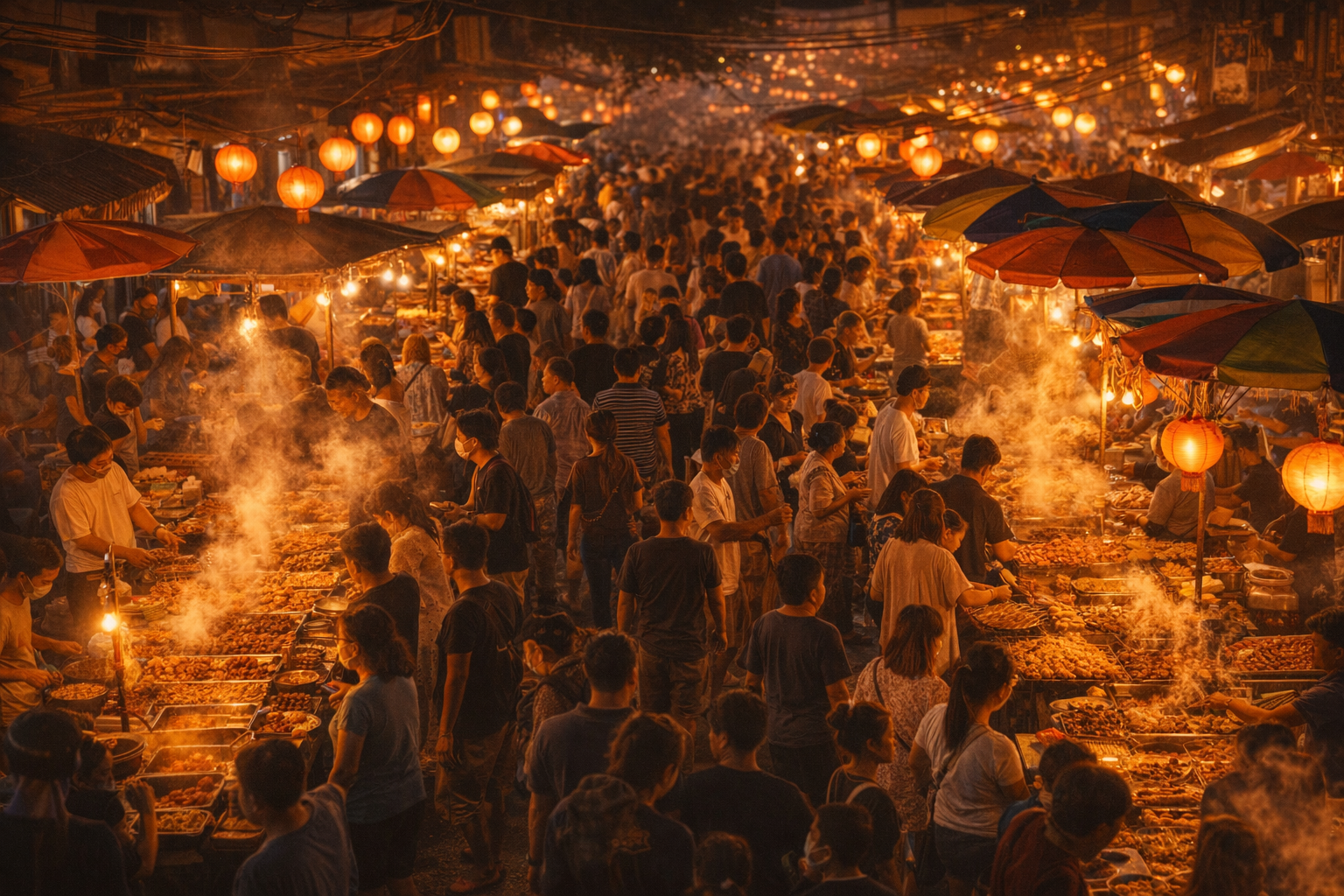
Eating in Asia is remarkably affordable at every level. Street food meals in Thailand, Vietnam, and Indonesia typically cost between one and three dollars. A sit-down meal at a local restaurant ranges from three to eight dollars. Even eating at upscale restaurants rarely exceeds twenty to thirty dollars per person.
For a comfortable food budget that includes a mix of street food, local restaurants, and the occasional splurge, most travellers spend between ten and twenty dollars per day. Cooking at home when you have a kitchen can reduce this further, though in many Asian countries eating out is so cheap that cooking barely saves money.
Transport: Planes, Trains, and Scooters
Budget airlines have made inter-country flights remarkably cheap. Bangkok to Bali can cost as little as fifty dollars one way if booked in advance. Overland transport varies widely: trains in Thailand and Vietnam are affordable and scenic, while Indonesian domestic flights are often the only practical option between islands.
Local transport is where Asia truly excels. A monthly scooter rental in Bali costs sixty to eighty dollars. Grab rides across Bangkok rarely exceed five dollars. Local buses and trains cost pennies. The the World Travel >RICSamp; Tourism Council has noted that transport infrastructure investment across Asia continues to improve accessibility and reduce travel costs for both locals and visitors.
The Country Comparison
Vietnam is consistently the cheapest major destination, with comfortable monthly budgets starting around seven hundred dollars. Thailand runs slightly higher at eight hundred to one thousand. Indonesia varies enormously: Bali costs more than the rest of the country due to tourist pricing, but is still achievable at nine hundred to twelve hundred per month.
Malaysia offers excellent value in the mid-range, with Kuala Lumpur and Penang providing first-world infrastructure at developing-world prices. Japan and South Korea are significantly more expensive but still manageable at fifteen hundred to two thousand per month if you are strategic about accommodation and food.
Hidden Costs to Budget For
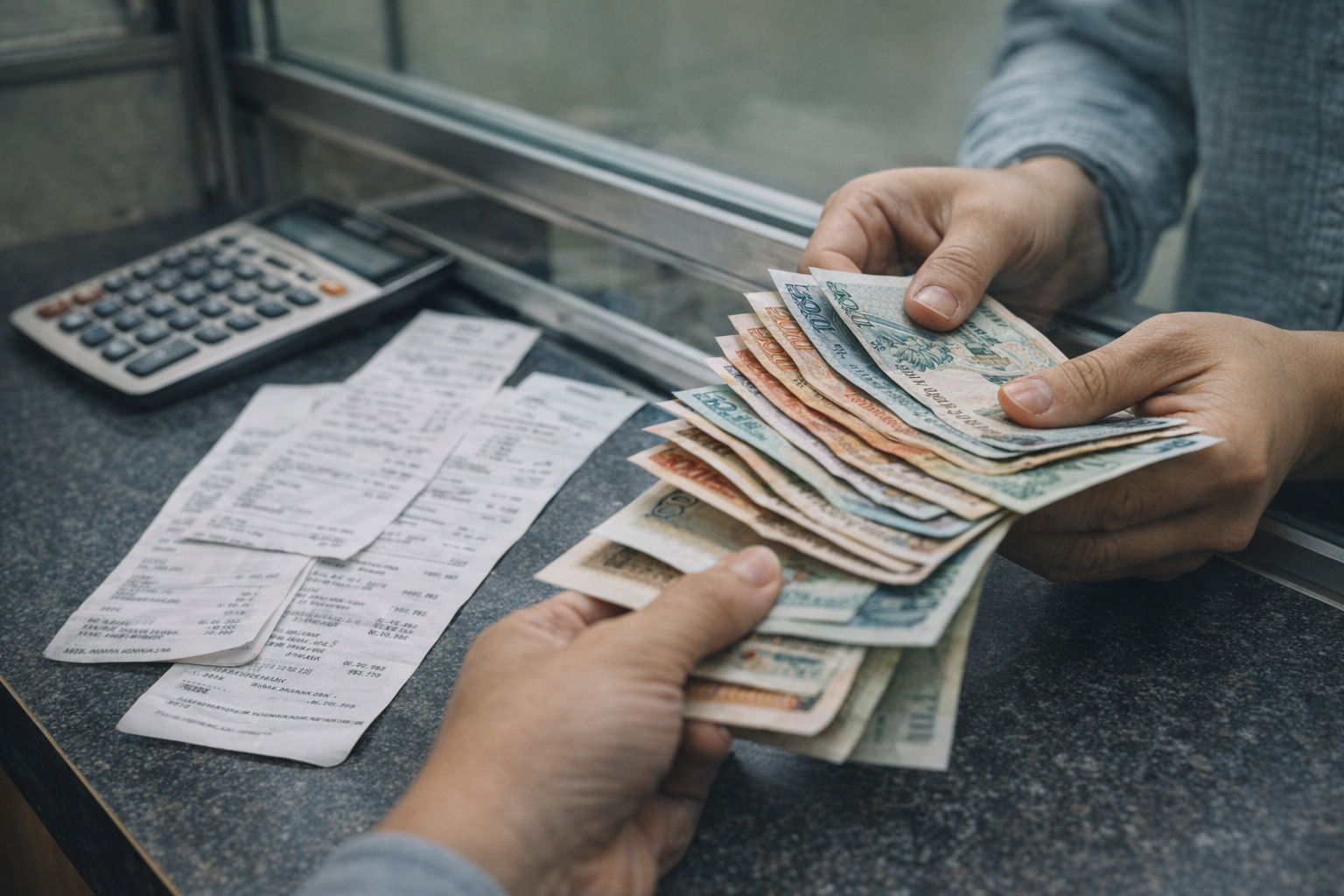
Visa fees add up over time. Thailand offers free entry for most nationalities but charges for extensions. Indonesia's visa on arrival costs thirty-five dollars and can be extended once. Vietnam requires a visa that costs twenty-five to fifty dollars depending on type. These small amounts accumulate over months of travel.
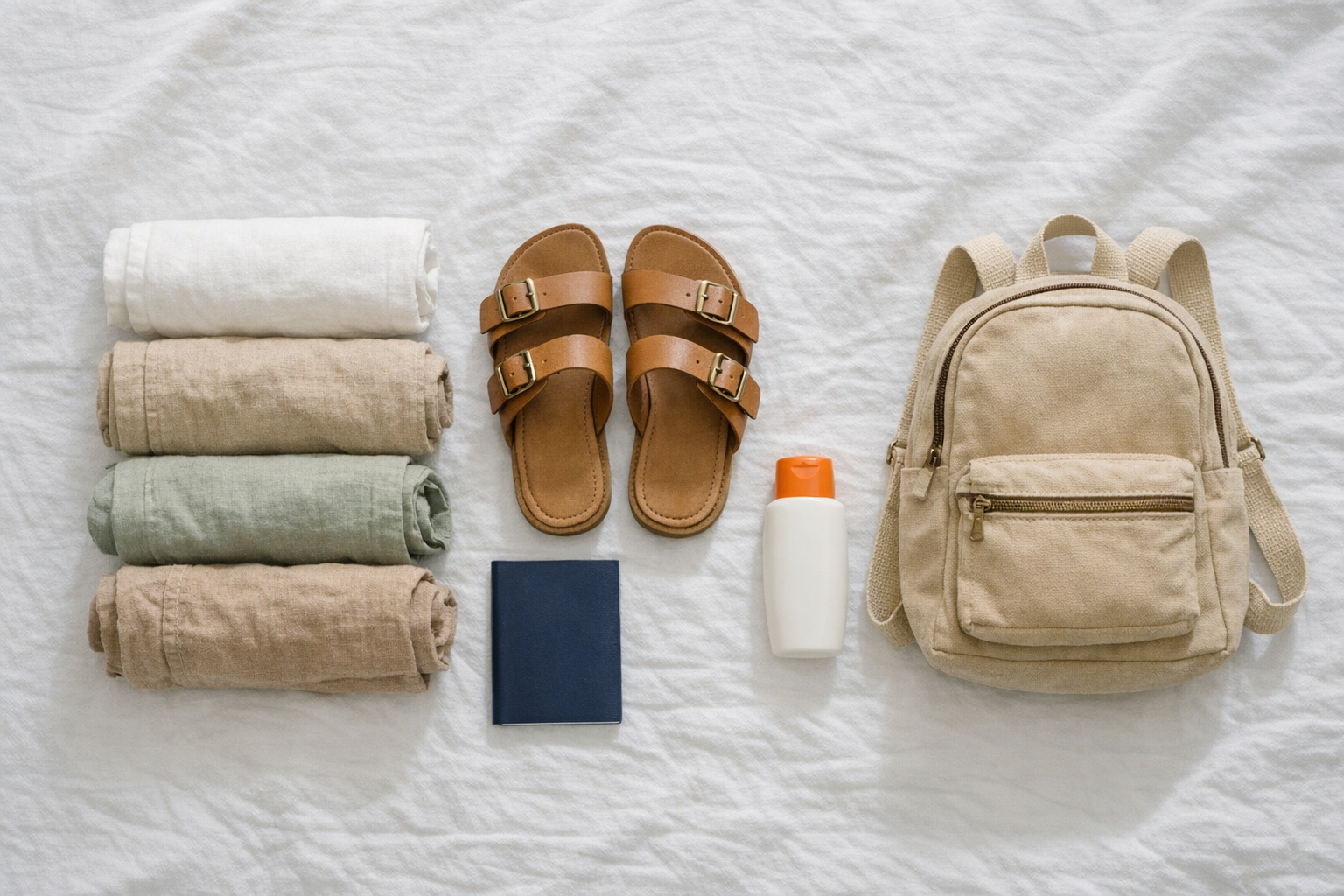
Travel insurance is non-negotiable and typically costs eighty to one hundred and fifty dollars per month for comprehensive coverage. Health costs are generally low in Asia, but a hospital visit without insurance can be devastating. Budget for regular health items like sunscreen, insect repellent, and any medications you need.
The Realistic Monthly Budget
For a comfortable long-term travel lifestyle in Southeast Asia, most solo travellers spend between one thousand and fifteen hundred dollars per month. This covers a private room or studio apartment, eating well, regular transport, activities, and occasional treats. It is possible to go lower, and easy to go higher, but this range represents the sweet spot where you are neither pinching pennies nor being wasteful. For many people, that is less than they spend at home.