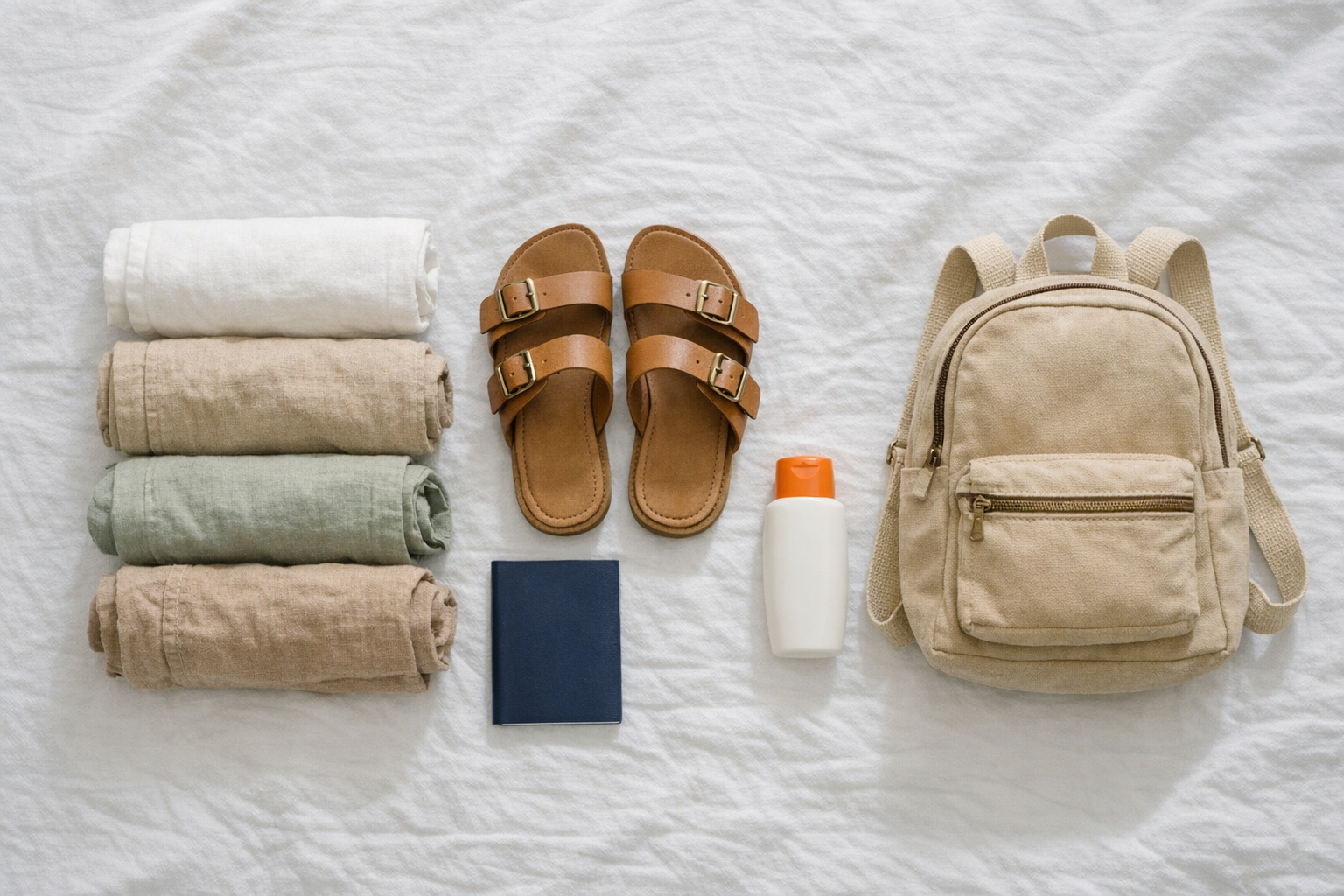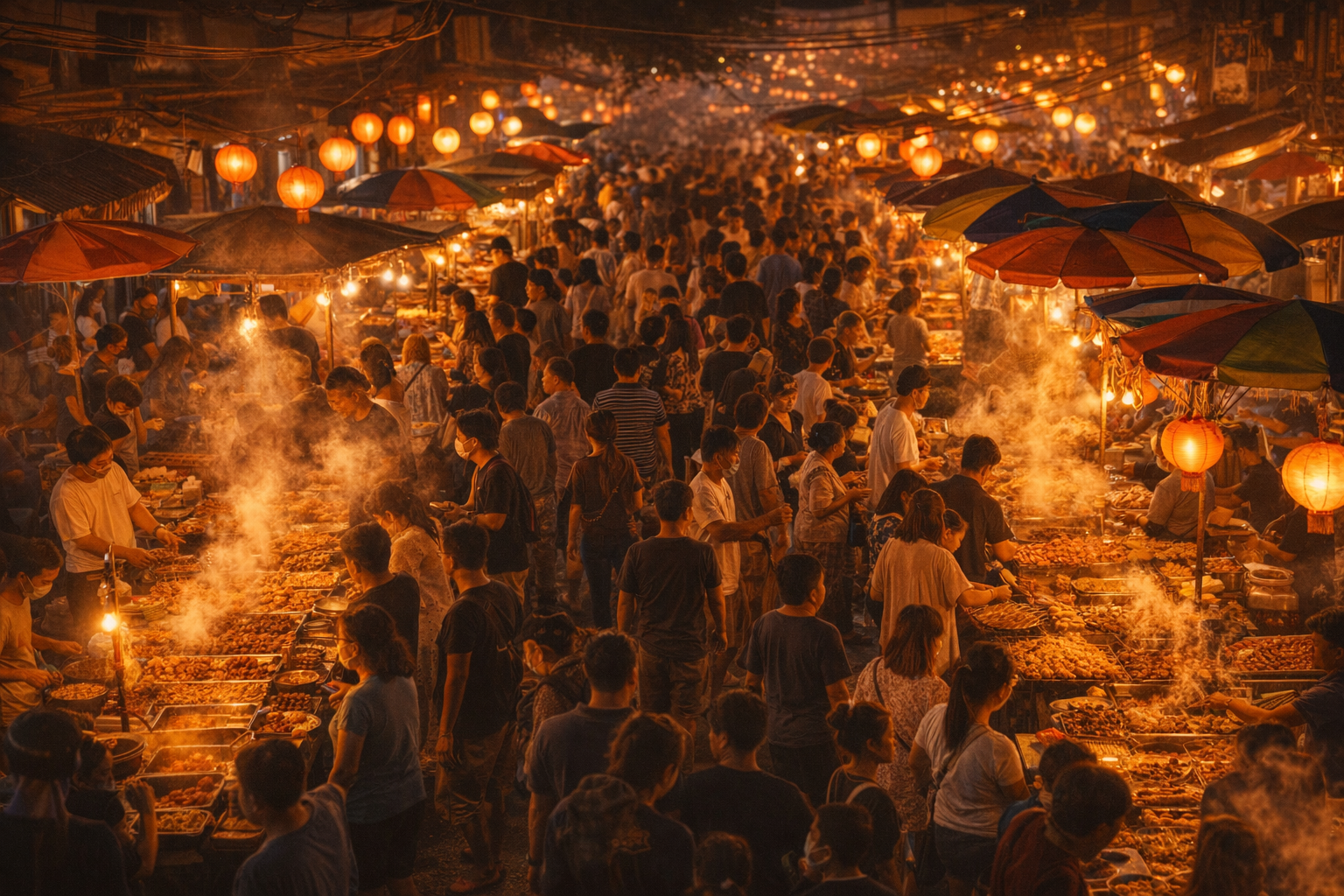
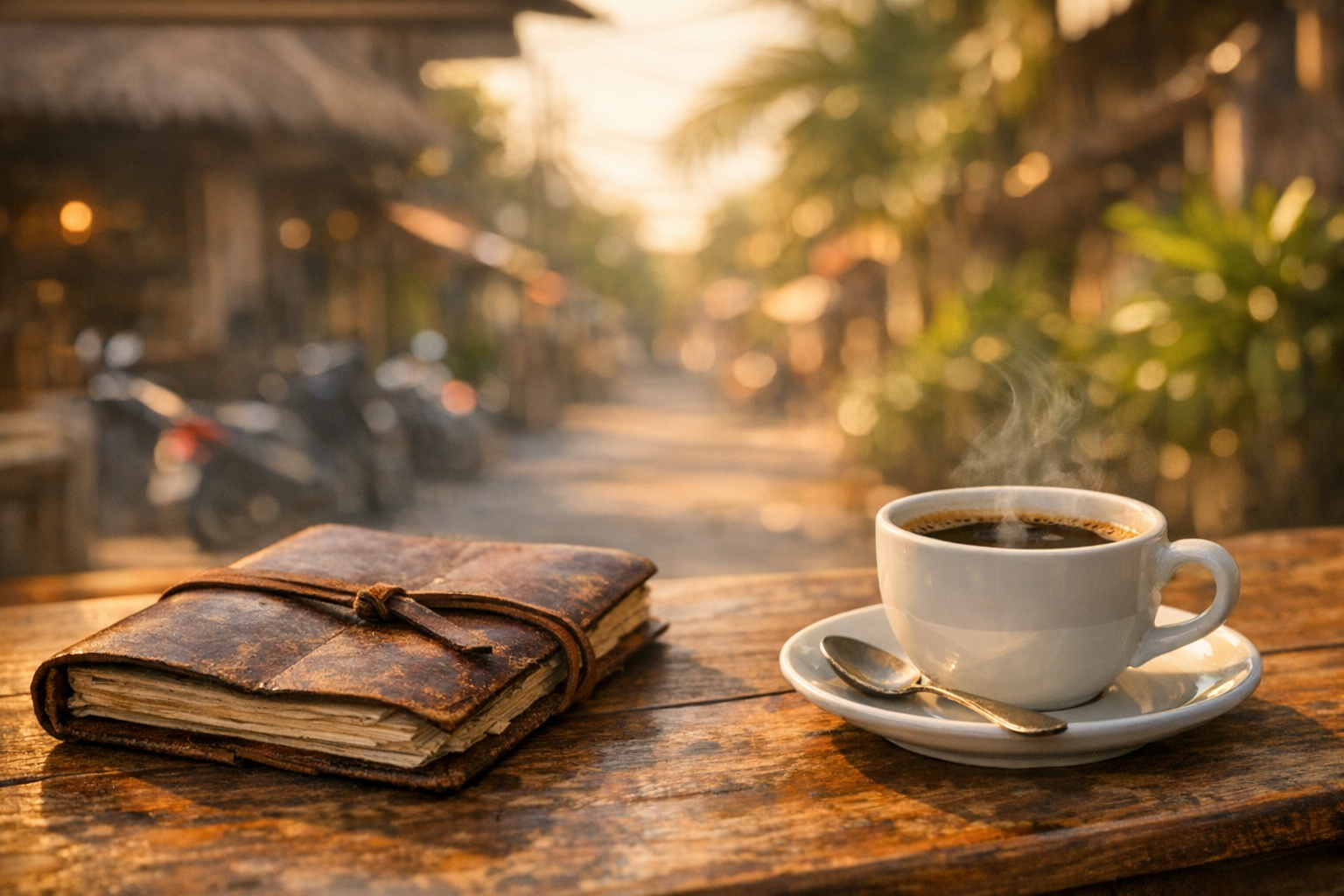
There is a certain rhythm to slow travel that you simply cannot replicate on a whirlwind tour. It is the difference between seeing a place and actually knowing it. When you give yourself permission to linger, something shifts. The pressure of itineraries fades, and what replaces it is something far more rewarding.
What Slow Travel Actually Means
Slow travel is not about being lazy or wasting time. It is about spending longer in fewer places, allowing yourself to develop a genuine connection with your surroundings. Instead of ticking off landmarks, you begin to notice the quieter details: the morning routine of a neighbourhood, the way light falls through a particular street at dusk, the cafe that only locals seem to know about.
It means renting an apartment instead of booking a hotel for one night. It means shopping at local markets and cooking your own meals. It means walking instead of taking taxis, and having the time to get genuinely, wonderfully lost.
The Hidden Costs of Moving Too Fast
Every time you change locations, you spend time and money on transport, check-ins, orientation, and settling in. These transitions are exhausting and they add up quickly. A two-week trip covering five cities might sound impressive, but you will spend a surprising portion of that time in transit, packing, unpacking, and figuring out where things are.
By contrast, staying in one place for a week or more means those transition costs disappear. You learn the shortcuts. You find the good coffee. You stop feeling like a tourist and start feeling like a temporary resident.
Deeper Connections with People and Place
One of the most underrated benefits of slow travel is the relationships you build. When you return to the same restaurant three times, the owner remembers you. When you walk the same route each morning, neighbours begin to nod and say hello. These small interactions are the fabric of genuine travel experience, and they simply do not happen when you are passing through.
Slow travel also lets you respond to recommendations naturally. Someone tells you about a village an hour away, and because you are not locked into a rigid schedule, you can actually go. The best travel moments are rarely planned, and slow travel gives them room to happen.
It Is Better for Your Budget
This might surprise people, but slow travel is often cheaper than fast travel. Weekly apartment rentals cost a fraction of nightly hotel rates. Cooking at home saves enormously on food. Reduced transport costs mean more money for experiences that actually matter. Many travellers find they spend less per day when they slow down, even while enjoying a higher quality of life on the road.
How to Start Travelling Slowly
You do not need to commit to months of travel to experience the benefits. Even choosing to spend five nights in one city instead of splitting your time between two can make a noticeable difference. Start by resisting the urge to cram everything in. Pick fewer places, give yourself more time, and let curiosity guide your days instead of a checklist.
Slow travel is not a trend. It is a return to what travel was always meant to be: an opportunity to step into another way of life, however briefly, and let it change you.